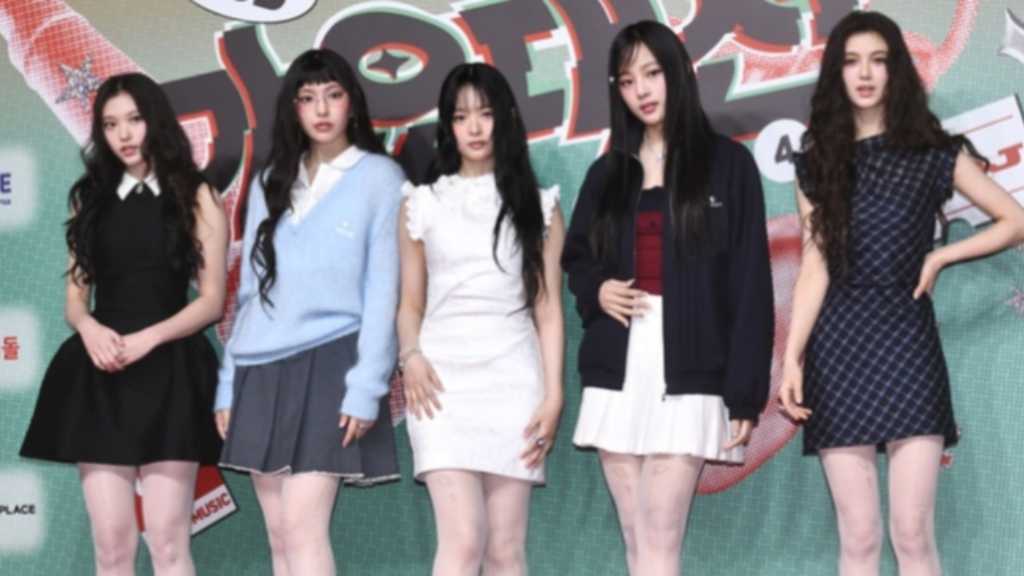
The Korea Music Content Association criticized the New York Times for a one-sided report on a K-pop contract and defended the industry’s system.
November/9/2026 17:14


The Korea Music Content Association expressed concern over the New York Times’ report. The Korea Music Content Association (Chairman: Woo Seung-hyeon) stated on the 9th that “this report is a one-sided and biased evaluation that does not sufficiently consider not only the legality and legitimacy of contracts carried out under the laws and institutional regulations of Korea, but also the characteristics and value of the unique incubation system that has contributed to K-pop’s growth as a global industry.” The New York Times recently reported that it had obtained the exclusive contract signed with ADOR in 2022, when the NewJeans members were minors, and pointed out that the contract contained clauses that infringed on the members’ rights. It disclosed content including that the members’ right to education was not guaranteed, that four of the five members gave up their studies, that there were problems with the method of calculating penalties for breach of contract, and that even after the contract ends in 2029, ADOR can continue to use the members’ names, likenesses, voices, and other rights and can grant permission to third parties. The New York Times further claimed that these points are the dark side of the K-pop industry. HYBE immediately countered, saying, “The labels under HYBE have all signed the national standard youth subsidiary agreement with each label’s trainees. The subsidiary agreement includes all protective clauses such as personality rights, the right to sleep, the right to education, and the right to rest, and the agreement remains valid until adulthood.” It also explained, rebutting one by one the points raised by the New York Times. Amid this, the Korea Music Content Association said that the success of the K-pop industry is an achievement accomplished together by entertainment companies and artists, and referred to the “Standard Contract for Popular Culture and Arts” and the “Act on the Development of the Popular Culture and Arts Industry,” which support this institutionally. The association emphasized, “Currently, all entertainment companies and artists in Korea respect the spirit of this standard contract and, under the discipline of the Act on the Development of the Popular Culture and Arts Industry, are creating and implementing contracts together and growing by pooling their wisdom,” and pointed out, “Nevertheless, we regret that the New York Times, without sufficiently illuminating such institutional development and the industry’s self-purification efforts, expanded and interpreted a dispute over a specific individual contract into a structural problem of the entire K-pop industry.” It also criticized, “The fairness and legality of an exclusive contract must be judged by comprehensively considering not only individual clauses, but also subsidiary agreements, related laws and regulations, the circumstances of the contract’s conclusion, and the actual state of performance. Otherwise, there is a risk of spreading a distorted perception of the K-pop industry and unfairly damaging the industry’s achievements and trust accumulated over many years.” • NewJeans: Are plastic surgery costs borne by the members? HYBE responds to the New York Times report on the contract contents • NewJeans’ Danielle and Hanni appear at a marathon event venue in Korea... attention drawn to their recent status [Full official statement of the Korea Music Content Association] The Korea Music Content Association (Chairman: Woo Seung-hyeon) expresses deep concern regarding the recent report by the New York Times (NYT), which cited the exclusive contract of a specific K-pop artist. We judge this report to be a one-sided and biased evaluation that does not sufficiently consider not only the legality and legitimacy of contracts conducted under the laws and institutional regulations of the Republic of Korea, but also the characteristics and value of the unique incubation system that has contributed to K-pop’s growth as a global industry. The K-pop industry, which is praised around the world today, is the result of a partnership achieved together by entertainment companies and artists. What institutionally supports this is the “Standard Contract for Popular Culture and Arts” and the “Act on the Development of the Popular Culture and Arts Industry” established by the government of the Republic of Korea. These two systems are balanced principles that protect entertainment companies, which invest huge sums while bearing the risk of losses, while at the same time safeguarding and guaranteeing the rights and interests of artists, who tend to be relatively vulnerable. Currently, all entertainment companies and artists in Korea respect the spirit of this standard contract and, under the discipline of the Act on the Development of the Popular Culture and Arts Industry, are creating and implementing contracts together and growing. This is supported by the many artists who have renewed their contracts after their contract periods expired. In this way, the issue of protecting artists’ rights and interests is an important matter on which K-pop companies and the Korean government have continuously focused their attention and efforts, promoting institutional and practical improvements. Nevertheless, we express regret that the New York Times, without sufficiently illuminating such institutional development and the industry’s self-purification efforts, expanded and interpreted a dispute over a specific individual contract into a structural problem of the entire K-pop industry. The fairness and legality of an exclusive contract must be judged by comprehensively considering not only individual clauses, but also subsidiary agreements, related laws and regulations, the circumstances of the contract’s conclusion, and the actual state of performance. Otherwise, there is a risk of spreading a distorted perception of the K-pop industry and unfairly damaging the industry’s achievements and trust accumulated over many years. Protecting artists’ rights and interests and respecting the legitimate rights of production companies are not opposing values. The rights and interests of underage artists must absolutely be guaranteed. At the same time, the legitimate investments and contractual rights of production companies must also be protected. The K-pop industry has grown based on companies’ long-term investment and artists’ creative activities. Lawfully concluded contracts and judicial decisions must be respected. K-pop companies are already lawfully taking various measures for youth trainees and active artists. Major K-pop companies, including HYBE, have all signed the national standard youth subsidiary agreement with trainees, and this includes protective clauses such as personality rights, the right to sleep, the right to education, and the right to rest. In addition, major K-pop companies belonging to the association have designated youth protection officers in accordance with relevant laws and regulations and have carried out related management. K-pop’s incubation system is a talent-development system with unique characteristics and competitiveness that cannot be judged only from a Western perspective. Major K-pop companies operate multifaceted care programs to the extent of placing specialized medical staff inside the company, and they carefully protect artists’ rights to health and personality. Such dedicated management and pre-investment systems are a uniquely Korean industrial ecosystem that should not be disparaged as “oppressive control.” It is precisely within this ecosystem that the famous boy groups and girl groups that people around the world are now enthusiastic about were born, and countless trainees are sweating to become tomorrow’s K-pop stars. Finally, the Korea Music Content Association expresses deep concern about the situation in which the contents of an exclusive contract related to a case currently in legal dispute, despite being subject to confidentiality obligations between the parties, have been disclosed through overseas media, and one-sided claims and public-opinion battles are spreading based on this. We must be wary of unverified claims and one-sided views being accepted as objective fact, or of the issues in an individual dispute leading to negative evaluations of the entire K-pop industry. The Korea Music Content Association will do its utmost to protect artists’ rights and interests and establish a sound contract order so that K-pop’s ecosystem can continue as a solid “system” that is not shaken by distorted outside views or the deviations of particular individuals. At the same time, we will respond firmly so that distorted public-opinion battles that damage the trust and status of the entire industry, and improper acts pursuing private gain, do not take root. November 9, 2026, Korea Music Content Association [Full official statement of the Korea Music Content Association] The Korea Music Content Association (Chairman: Woo Seung-hyeon) expresses deep concern regarding the recent report by the New York Times (NYT), which cited the exclusive contract of a specific K-pop artist. We judge this report to be a one-sided and biased evaluation that does not sufficiently consider not only the legality and legitimacy of contracts conducted under the laws and institutional regulations of the Republic of Korea, but also the characteristics and value of the unique incubation system that has contributed to K-pop’s growth as a global industry. The K-pop industry, which is praised around the world today, is the result of a partnership achieved together by entertainment companies and artists. What institutionally supports this is the “Standard Contract for Popular Culture and Arts” and the “Act on the Development of the Popular Culture and Arts Industry” established by the government of the Republic of Korea. These two systems are balanced principles that protect entertainment companies, which invest huge sums while bearing the risk of losses, while at the same time safeguarding and guaranteeing the rights and interests of artists, who tend to be relatively vulnerable. Currently, all entertainment companies and artists in Korea respect the spirit of this standard contract and, under the discipline of the Act on the Development of the Popular Culture and Arts Industry, are creating and implementing contracts together and growing. This is supported by the many artists who have renewed their contracts after their contract periods expired. In this way, the issue of protecting artists’ rights and interests is an important matter on which K-pop companies and the Korean government have continuously focused their attention and efforts, promoting institutional and practical improvements. Nevertheless, we express regret that the New York Times, without sufficiently illuminating such institutional development and the industry’s self-purification efforts, expanded and interpreted a dispute over a specific individual contract into a structural problem of the entire K-pop industry. The fairness and legality of an exclusive contract must be judged by comprehensively considering not only individual clauses, but also subsidiary agreements, related laws and regulations, the circumstances of the contract’s conclusion, and the actual state of performance. Otherwise, there is a risk of spreading a distorted perception of the K-pop industry and unfairly damaging the industry’s achievements and trust accumulated over many years. Protecting artists’ rights and interests and respecting the legitimate rights of production companies are not opposing values. The rights and interests of underage artists must absolutely be guaranteed. At the same time, the legitimate investments and contractual rights of production companies must also be protected. The K-pop industry has grown based on companies’ long-term investment and artists’ creative activities. Lawfully concluded contracts and judicial decisions must be respected. K-pop companies are already lawfully taking various measures for youth trainees and active artists. Major K-pop companies, including HYBE, have all signed the national standard youth subsidiary agreement with trainees, and this includes protective clauses such as personality rights, the right to sleep, the right to education, and the right to rest. In addition, major K-pop companies belonging to the association have designated youth protection officers in accordance with relevant laws and regulations and have carried out related management. K-pop’s incubation system is a talent-development system with unique characteristics and competitiveness that cannot be judged only from a Western perspective. Major K-pop companies operate multifaceted care programs to the extent of placing specialized medical staff inside the company, and they carefully protect artists’ rights to health and personality. Such dedicated management and pre-investment systems are a uniquely Korean industrial ecosystem that should not be disparaged as “oppressive control.” It is precisely within this ecosystem that the famous boy groups and girl groups that people around the world are now enthusiastic about were born, and countless trainees are sweating to become tomorrow’s K-pop stars. Finally, the Korea Music Content Association expresses deep concern about the situation in which the contents of an exclusive contract related to a case currently in legal dispute, despite being subject to confidentiality obligations between the parties, have been disclosed through overseas media, and one-sided claims and public-opinion battles are spreading based on this. We must be wary of unverified claims and one-sided views being accepted as objective fact, or of the issues in an individual dispute leading to negative evaluations of the entire K-pop industry. The Korea Music Content Association will do its utmost to protect artists’ rights and interests and establish a sound contract order so that K-pop’s ecosystem can continue as a solid “system” that is not shaken by distorted outside views or the deviations of particular individuals. At the same time, we will respond firmly so that distorted public-opinion battles that damage the trust and status of the entire industry, and improper acts pursuing private gain, do not take root. November 9, 2026, Korea Music Content Association
Related Articles
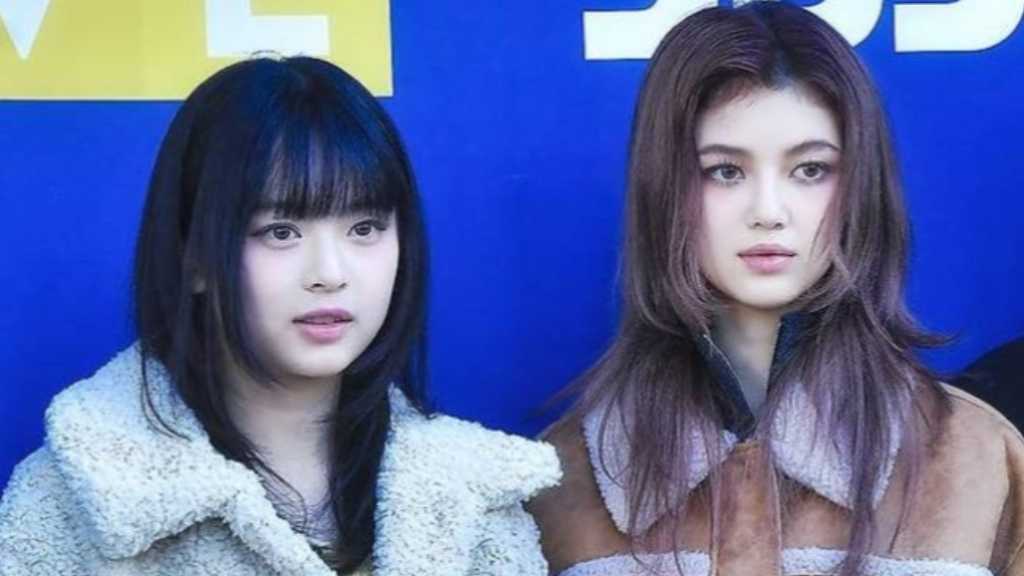
NewJeans’ Daniel and Hanni were seen at the 2026 Miracle 365 Purme Run charity event in Seoul. Photos showed them posing with participants. The event marked the 10th anniversary of a children’s rehabilitation hospital, and all fees support treatment for disabled children. Their appearance also drew attention amid Daniel’s ongoing dispute with ADOR.

Min Hee-jin issued a detailed rebuttal to HYBE, arguing that HYBE—not ADOR—controlled the drafting and approval of NewJeans’ exclusive contract. She said HYBE’s legal team handled the draft, revisions, and final approvals, while HYBE now unfairly shifts responsibility to its subsidiary.
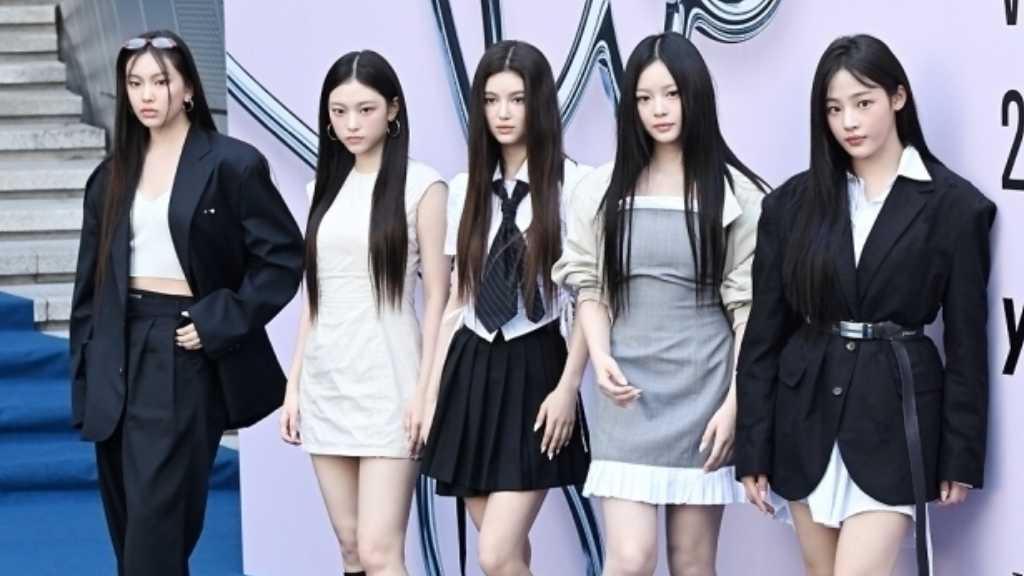
HYBE rejected a New York Times report on NewJeans’ exclusive contract, saying it included standard youth and human-rights protections, was negotiated over months with members, parents, and lawyers, and that penalty and image-use clauses were not unfairly changed.

NewJeans’ Danielle released a singing video of her new self-written song, “Stay,” on her personal YouTube channel on the 4th anniversary of the fandom Bunnies. The lyrics suggest a changed relationship, and the timing drew interest. She also posted a birthday message to Bunnies.
ADOR also won on appeal in its damages lawsuit against advertising production company Dolphin Kidnapping Group and director Shin Woo-seok. The court upheld that posting the director’s cut of NewJeans’ “ETA” music video without prior written consent breached the contract, even if oral approval had been claimed.
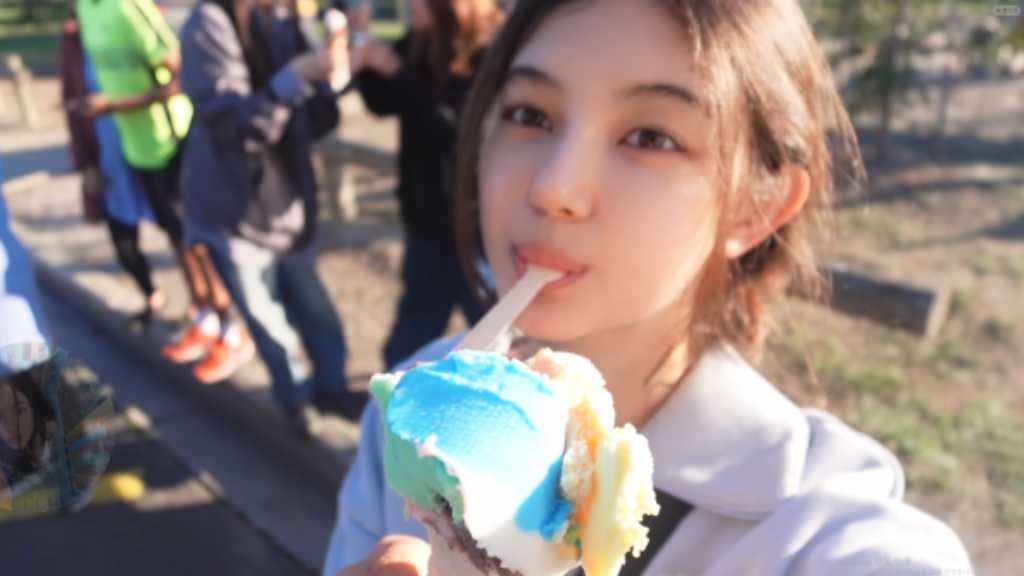
NewJeans’ Danielle posted a Melbourne vlog on her YouTube channel, showing time with her sister Olivia Marsh and outings for croissants, coffee, and ice cream. Fans noticed people and dogs that seemed linked to Hanni, leading to speculation that some friends in the video were NewJeans members. Danielle also showed affection for NewJeans by visiting the Great Ocean Road, posting a Bunnies Camp sticker, and sharing related photos. The text also mentions her ongoing legal dispute with ADOR.

NewJeans’ Hanni marked her birthday by sharing two selfies on the group’s official SNS. The photos showed her in a dreamy, vintage mood, and fans around the world sent birthday wishes and support. Danielle also appeared to celebrate Hanni’s birthday on Instagram.

NewJeans’ Hanni partly won a damages lawsuit against two netizens who posted insulting and defamatory comments about her. A Seoul court ordered each defendant to pay 100,000 won, saying their remarks were abusive and personal attacks. The court also noted Hanni herself had not acted in a socially blameworthy way.

Former ADOR CEO Min Hee-jin won a damages lawsuit brought by BELIFT LAB creative director Huh over her 2024 claims that ILLIT copied NewJeans. The court dismissed the claims, saying the evidence did not show Shin, the former ADOR vice president, was involved, and that Huh was not clearly identified as the defamation victim. Huh later abandoned the appeal, making the ruling final and leaving court costs to him.

On the afternoon of the 7th, NewJeans’ Hae-rin attended a Dior event held at AVENUEL in Lotte Department Store, Jamsil, Seoul. After resolving her conflict with her agency ADOR and returning to the group, she made her first official public appearance, drawing attention.


